Man With Van in Isle of Dogs
Our man with van in Isle of Dogs service is built for practical, straightforward moving help when you need items transported with care and a sensible, flexible approach. We handle household and business moves, single-item transport and a range of loading or unloading tasks using the right size vehicle for the job. If you are moving between flats, clearing a room, collecting furniture or shifting equipment, we focus on efficient transport that is organised around the items, access points and timing involved.
The service suits customers who want help with the physical side of moving without overcomplicating the process. We can support the movement of boxed belongings, furniture, appliances and other manageable loads, with attention to protecting items during lifting and transit. The work is often about careful planning, sensible packing choices and safe handling, so the journey from one address to another is as smooth as possible.
For a closer look at the full range of work, you can explore our removal services, which cover the core moving tasks we provide for local customers. If your move is centred on a flat, terrace, office room or shared premises, that broader service description can help you judge what level of support is appropriate before you request a quotation.
Flexible moving help for homes and small business loads

Many customers use a man and van service when the move does not call for a large removal team, but still needs more than a car journey. We can assist with items that need lifting, securing and arranging in the van so they travel safely. That may include a few bulky pieces of furniture, several packed boxes, white goods or mixed household contents that are better moved together than split into separate trips.
Commercial customers may also use the service for desks, chairs, archive boxes, display items or equipment that needs to be transferred between addresses. The practical advantage is control: you can match the vehicle and the load to the job, rather than paying for a type of move that is larger than necessary. Commercial moves can be a useful reference if your requirements include business premises, stock or workplace furniture.
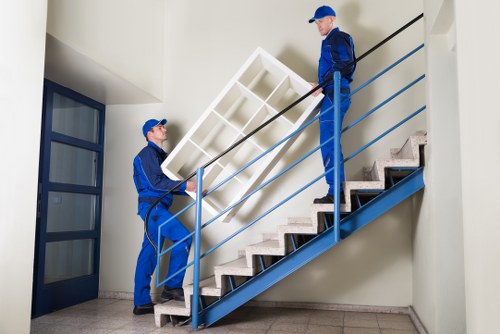
The service is also well suited to smaller moves where access is tight or the building layout makes handling more involved. Narrow staircases, upper floors and busy shared entrances all call for thoughtful loading, clear sequencing and enough time to move items without rushing. The aim is not just transport, but sensible movement that respects both your possessions and the property being used.
Packing, loading and careful transport

Good moving results often depend on the way items are prepared before they are lifted into the van. Boxes need to be sealed and stacked with weight in mind, fragile items should be wrapped or cushioned properly, and furniture may need parts removed or doors secured so it travels cleanly. Our packing and unpacking services can help customers who want a more structured approach around the move itself.
We also pay attention to how items are loaded inside the vehicle. Heavier pieces are positioned to keep the load balanced, while lighter or breakable items are arranged to reduce pressure and movement during transit. This practical method is important when transporting mixed loads, because an orderly van is less likely to create avoidable knocks or wasted space. It also makes unloading more straightforward at the destination.
When planning a quote, it helps to think about the items rather than only the distance. A short trip with awkward furniture and difficult access can be more involved than a longer drive with stacked boxes and clear entry points. The pricing and quotes page gives a useful starting point for understanding how moving work is assessed, so you can request an estimate that reflects the real job.
House and flat removals
Our household moving support covers the common tasks involved in moving belongings from one home to another. That can include furniture, boxed contents, bedroom items, kitchen pieces and everyday possessions that need to be moved in an organised sequence. The service is flexible enough for part-loads and smaller domestic moves, which makes it suitable when a full-scale removal operation would be unnecessary.
For customers comparing domestic options, the service range can be viewed alongside home moves and house removals, both of which sit within the same practical area of work. These pages can help you match the support level to the size of your move, whether you are moving from a flat, maisonette or house and need transport only or assistance with loading as well.
If you are moving from a property with awkward access or limited parking, organisation becomes especially important. It can help to group items by room, keep hallways clear and make sure the heaviest pieces are ready first. A clear plan reduces delays, keeps loading efficient and makes the unloading stage easier once everything reaches the new property.
What a smaller domestic move may involve

Smaller domestic moves often need the same care as larger ones, just on a more compact scale. We may move a few key pieces from a flat, take a room’s contents to storage, or help with furniture that has to be collected and delivered in one journey. The emphasis is on manageable, well-organised transport rather than unnecessary complexity, which suits customers who want their move handled sensibly and without overstatement.
A useful way to prepare is to separate items that must travel together from those that can be handled later. Keep essential documents, valuables and personal items aside, then identify what needs lifting, what can be dismantled and what should be protected with wrapping or padding. If you are unsure how much support you need, man and van removals is a relevant option to review alongside the other household pages.
Before you ask for a quote, it helps to note the number of rooms or item groups, any stairs or parking restrictions, and whether the move includes one location or several stops. That information lets the work be assessed properly and avoids vague estimates. A few clear details usually make the quotation process faster and more useful for planning the day.
Furniture collection, pickup and single-item transport

Not every booking is a full move. Some customers mainly need furniture collected, a bulky item delivered, or a piece of equipment taken from one address to another without hassle. Our furniture pick-up service supports that kind of work, where the task is as much about lifting and handling as it is about the drive itself. It is a practical choice for beds, wardrobes, tables, sofas and similar items.
Single-item transport also helps when an item has been bought privately, is being moved to storage or needs taking to another property after delivery. Even one item can require planning if it is heavy, large or difficult to manoeuvre through a doorway. The van space, load position and route into and out of the building all matter when the item needs to arrive in the same condition it left.
For many customers, this type of job is best approached with a simple checklist: item size, weight, access, collection point, delivery point and whether help is needed at either end. If your requirements are straightforward, the service can stay that way too. When you are ready, request a quotation with the details that matter most.
Business moves and office equipment
Workplace moves often involve a mixture of furniture, paperwork, technology and stored items that must be handled in a careful order. We can support office relocation work where desks, chairs, filing cabinets, small stock holdings or boxed equipment need to be transported to another address. The goal is to keep the move practical and controlled, with enough flexibility to fit the layout of the premises and the load involved.
If your move includes a business unit, shared workspace or small office, the relevant support pages can help you compare the type of move required. Office relocation services and office removals both relate to moving workplace contents, while still leaving room for different job sizes and access arrangements. That makes it easier to decide whether you need simple transport or a more structured office move.
Office work is often smoother when items are grouped before loading, cables are separated from larger furniture and fragile equipment is kept apart from heavier items. A sensible sequence protects important belongings and avoids the kind of last-minute confusion that can slow a workplace move down. It also makes it easier to place items in the right area at the destination.
Service choices that shape the move
The right moving arrangement depends on what you are transporting, how much lifting is involved and how easy the property is to access. A customer moving a handful of boxes may need little more than transport and loading support, while someone with furniture, appliances and awkward stair access may need more time and care. Choosing the correct service level keeps the job aligned with the load rather than forcing it into a one-size-fits-all approach.
Where a move involves mixed contents, it can be useful to think in categories: furniture, fragile items, household storage, business equipment and anything requiring dismantling or wrapping. This helps you decide whether a simple man and van booking is enough or whether a more specific removal service would be better. Pages such as man and van and moving van describe closely related transport options that may suit different customer needs.
If you are comparing vehicle-focused options, remember that the load itself matters as much as the route. A suitable vehicle should fit the items securely without overfilling them, and a well-managed job should leave enough space for safe handling. That balance is especially important when boxes, furniture and loose items are being moved together rather than separately.
About Isle of Dogs
Isle of Dogs is a riverside peninsula in east London, forming a pronounced bend of land enclosed on three sides by the River Thames. Historically, it sat within the former docklands landscape that shaped much of the area’s identity, with wharves, warehouses and waterside industry once dominating the local economy. In the late twentieth century, large-scale redevelopment transformed much of the peninsula, and today the area is known for a mix of residential towers, converted dockside buildings and newer commercial development. Canary Wharf lies immediately to the north-west and has become one of the most recognisable landmarks associated with the district, bringing a dense cluster of offices, transport links and retail space into what was once a much more industrial riverside setting. Mudchute Park and Farm provides a contrasting open landscape, with grazing land and green space that reflects the area’s unusual balance between high-rise development and remaining pockets of openness. The Thames Path follows the water’s edge in places, offering long views along the river and a strong sense of the peninsula’s geography. The local street pattern still hints at the old docklands layout, while contemporary apartment blocks, marinas and waterside promenades give the area a distinctly modern character. Island Gardens at the eastern tip looks across the river towards Greenwich and is closely tied to the area’s scenic appeal. Together, these features make Isle of Dogs a compact but varied part of London, shaped by river boundaries, dock history and continuing urban change.
How to plan a straightforward moving day
Simple planning makes a practical difference on moving day. Try to keep similar items together, separate anything fragile, and make sure the path from the property to the vehicle is clear. If a dismantled bed, table or wardrobe is involved, keep fittings and small parts together so they do not go missing during loading. These are small steps, but they reduce pressure on the moving process and help keep the job orderly from start to finish.
It can also help to think about timing in a realistic way. Loading is faster when items are ready, access is clear and parking is workable, while delays usually happen when belongings are still being sorted at the last minute. If your move includes multiple collection points or a stop for storage, mention that when requesting an estimate so the schedule can be judged sensibly. Where needed, we can also discuss the most suitable way to manage heavier or awkward pieces.
For many customers, the best outcome is simply a move that feels organised, careful and proportionate to the job. If you have a load to move and want a clear answer on what is involved, take a moment to contact us and outline the items, access and destination.
Additional moving support and practical choices
Some jobs involve more than one type of task, and that is where a flexible moving service can be especially useful. You may need household items moved in the morning, a collection completed later in the day, or a mixture of transport and loading support arranged around different addresses. Services such as moving truck and removal van show the vehicle and transport side of the work from slightly different angles, which can help you decide what suits the size of your load.
Customers also vary in how much preparation they want to do themselves. Some prefer to box and label everything in advance, while others want help with lifting and arranging items on the day. Both approaches can work well if expectations are clear. A well-defined job makes it easier to plan the route, protect the load and decide how much time is needed at each end.
If you would like a moving arrangement that is practical, local and based on the items you actually need to move, the next step is simple: ask for a quotation and share the details that describe the load best. That gives you a sensible starting point for planning the move with confidence.