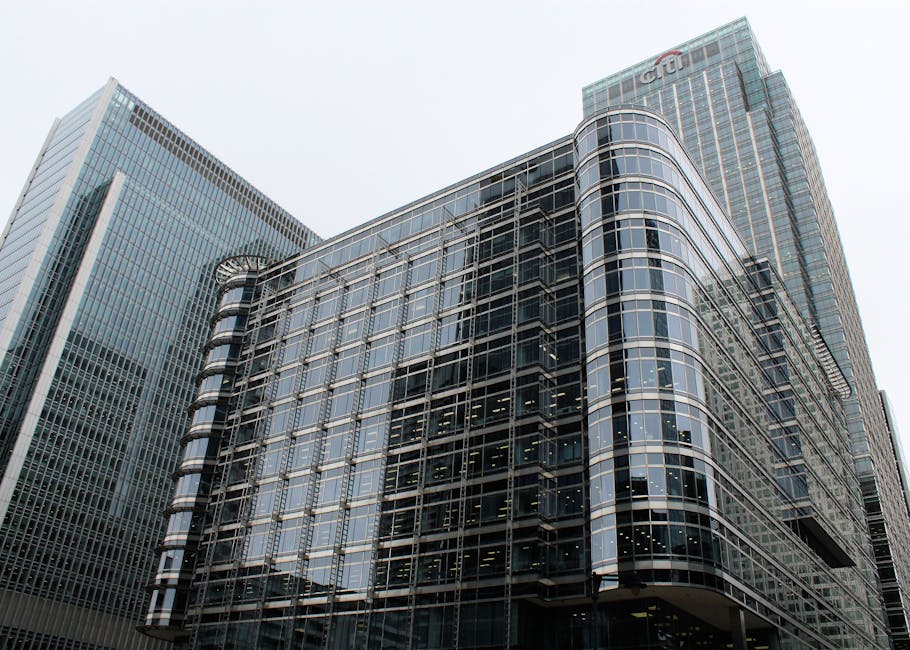
Moving Heavy Items on Listed Buildings near Canary Wharf

If you are planning Moving Heavy Items on Listed Buildings near Canary Wharf, you are probably already aware this is not a normal lift-and-carry job. Tight hallways, period staircases, fragile finishes, lift restrictions, loading bay pressure, and the added responsibility of protecting a historic structure can make a heavy move feel like a puzzle with a few missing pieces. Truth be told, that is exactly why careful planning matters so much.
Whether you are shifting a piano, a large sofa, office equipment, stone furniture, or something awkwardly shaped and annoyingly heavy, the goal is the same: get it in safely, avoid damage, and keep the building, the item, and everyone involved intact. In this guide, you will find a practical, human explanation of how heavy-item moves in listed buildings around Canary Wharf work, what can go wrong, and how to prepare properly without overcomplicating it.
One thing people often underestimate is the building itself. Listed properties are protected for a reason, and that means every corner, bannister, wall, and floor surface can matter. Near Canary Wharf, that challenge can be amplified by busy streets, managed estates, shared entrances, and time-sensitive access windows. So yes, it needs thought. A bit of it. Maybe more than a bit.
- Why this type of move matters
- How the process works
- Benefits and practical advantages
- Who needs this service
- Step-by-step guidance
- Expert tips
- Common mistakes to avoid
- Tools and recommendations
- Compliance and best practice
- Options and comparison
- Real-world example
- Practical checklist
- Conclusion
- Frequently asked questions
Why Moving Heavy Items on Listed Buildings near Canary Wharf Matters
Heavy-item removals in listed buildings are about more than muscle. They sit at the intersection of safety, property care, access planning, and basic common sense. A heavy object does not just test the people carrying it; it tests the route, the building fabric, the flooring, and the timing of the move itself.
Listed buildings often have original features that are difficult or impossible to replace neatly. That can mean narrow staircases, old timber floors, stone thresholds, decorative plasterwork, and doorways that were not designed with modern furniture dimensions in mind. Add a busy Canary Wharf setting, with service lifts, concierge rules, delivery slots, and pedestrian or vehicle access restrictions, and the move becomes a coordination exercise as much as a physical one.
There is also the reputational side. If you live in a managed apartment building, are relocating a business, or are acting on behalf of a landlord or facilities team, a damaged wall or scuffed entrance can create a surprisingly long trail of complaints. In our experience, people often remember the damage longer than the move itself. Not ideal.
That is why this kind of move matters: it protects the building, reduces risk, and keeps the process calm enough to stay manageable. If you want the job handled as part of a broader domestic or commercial move, it can help to look at removal services alongside specialist planning for heavy items.
Expert summary: the safest heavy-item move near a listed building is rarely the fastest-looking one at the start. It is the one that is measured, well briefed, and respectful of the route as much as the item.
How Moving Heavy Items on Listed Buildings near Canary Wharf Works
The process usually starts long before anyone touches the item. A proper move begins with a route review, a risk check, and a clear picture of what the item actually is. Weight is useful, but shape, balance point, fragility, and access are just as important. A 60kg cabinet with awkward handles can be more difficult than a heavier but better-designed object.
Here is the practical flow most sensible moves follow:
- Initial assessment: identify the item, measure it, and understand access points, stairs, lifts, and door widths.
- Building check: note shared entrances, protected features, floor coverings, height restrictions, and any concierge or estate requirements.
- Protection plan: decide what needs covering, padding, or temporary floor protection.
- Handling plan: assign enough people, choose the right moving equipment, and agree on communication signals.
- Move execution: carry, pivot, protect, and monitor the route carefully, especially on turns and thresholds.
- Set-down and inspection: place the item safely, check the route for marks, and confirm everything is intact.
That sounds straightforward, and in a perfect world it is. In real life, the tricky bit is usually the narrow turn halfway down a staircase, or the lift that is just a touch too small, or the loading bay that only allows a short stopping window. Canary Wharf is efficient, but efficient does not mean simple.
If the move is part of a larger relocation, you may also need help with packing, protected wrapping, or dismantling. Services such as packing and unpacking services can reduce the risk of rushed handling, which is especially useful when you are moving large, delicate, or high-value pieces.
Key Benefits and Practical Advantages
When a heavy-item move is handled well, the benefits are obvious. Less risk. Less stress. Fewer delays. But there are a few less obvious advantages too.
- Lower chance of property damage: careful route planning protects walls, banisters, lifts, and flooring.
- Better protection for the item: proper handling reduces dents, chips, and internal stress on the item.
- Less disruption for neighbours or building staff: a tidy, efficient move is simply easier for everyone around you.
- Reduced risk of injury: heavy lifting done badly can go wrong quickly, and nobody wants a strained back on a Tuesday morning.
- More predictable timing: planning access and equipment in advance usually saves time on the day.
There is also a confidence benefit. You can feel it when the right team turns up with a proper plan. The mood changes. What felt like a looming problem starts looking like a sequence of manageable steps.
If you are comparing support options, many readers also look at man with van or movers services for smaller or more flexible relocations, especially when the item list is not huge but still needs a careful approach.
Who This Is For and When It Makes Sense
This kind of service is not just for one-off dramatic moves, like a grand piano being lifted through a Victorian terrace. It makes sense for a wide range of people and situations.
- Homeowners in listed flats or houses who need to move furniture, appliances, or specialist items.
- Landlords and managing agents coordinating end-of-tenancy or replacement-furniture moves.
- Businesses and offices relocating heavy desks, storage units, filing systems, or equipment.
- Interior designers and contractors bringing in statement pieces or installation-heavy items.
- Collectors and private clients moving artwork, antiques, or substantial household pieces.
- Facilities teams handling planned replacements inside managed buildings.
It makes sense when access is tricky, when the item is valuable, or when the building rules are strict. It also makes sense if you are not sure your own team has the right experience. Let's face it, a few friends and a hopeful attitude are not a strategy.
For broader home moves involving more than one heavy item, you may want to explore home moves, house removals, or house movers so the whole relocation is coordinated rather than handled piecemeal.
Step-by-Step Guidance
If you want the move to go smoothly, it helps to break it down. No drama, just method.
1. Measure everything properly
Measure the item, the access route, the door frames, any tight corners, stair landings, and the lift interior if there is one. A few centimetres can be the difference between a clean move and a very awkward pause in the hallway.
2. Identify fragile features in the building
Look out for polished bannisters, original plaster, tiled thresholds, decorative stone, and low-hanging light fittings. In listed buildings, these details matter more than people expect.
3. Check building rules before moving day
Managed properties often have rules on timings, lift booking, parking, and protection requirements. Confirm them in advance so nobody is arguing in the lobby while a large sofa blocks the entrance.
4. Choose the right moving method
Some items can be carried manually with adequate protection. Others may need lifting straps, dollies, blankets, dismantling, or a vehicle plan that avoids unnecessary handling. The safest method is the one that suits the item, not the one that looks quickest.
5. Protect the route
Use floor coverings where needed, pad corners, protect door edges, and keep hands clean and dry. Small things matter. A dusty sole on a wet winter morning can leave a mark you do not notice until later.
6. Communicate clearly during the move
One person should lead the move and give instructions. That avoids the classic moment where everyone is ready to lift, but at different times. Slightly chaotic. Very normal. Still avoidable.
7. Inspect after the item is placed
Check the item itself and the route used. If you are in a listed building, even a minor scuff can deserve a proper look. Better to know immediately than discover it later when the light changes and the damage appears more obvious than expected.
Expert Tips for Better Results
These are the sort of things that tend to make a move easier in the real world, not just on paper.
- Move in daylight if you can. You will notice obstacles, edges, and surface changes more easily.
- Book a wide enough time window. Rushing heavy items is where most mistakes begin.
- Take photos of the route first. Useful for planning and, frankly, useful if questions come up later.
- Use furniture blankets and edge protection. It is a simple habit with a big impact.
- Empty the item before moving it. Drawers, shelves, and loose contents make everything less stable.
- Ask whether dismantling helps. Sometimes removing legs or doors makes the whole move calmer and safer.
A small human note here: in a building with polished wood and echoing corridors, even one hurried trip can sound like a marching band. Keeping things slow is not laziness. It is control.
If you are comparing providers, ask about insurance and safety and whether their team has a written health and safety policy. That kind of question is not fussy. It is sensible.
Common Mistakes to Avoid
Most heavy-item problems are preventable. Usually. The same handful of mistakes shows up again and again.
- Assuming the item will fit because it fits in the room. The route out is often the real challenge.
- Not checking lift size or stair turning points. A lift that looks generous can still be useless for a bulky item.
- Underestimating the weight distribution. Even relatively light items can become awkward if the centre of gravity is poor.
- Failing to protect listed features. One scrape on a heritage staircase is one scrape too many.
- Leaving parking or access arrangements until the day. Canary Wharf is not the place to improvise vehicle access.
- Trying to move everything at once. That is how people end up with damaged furniture and strained shoulders.
Sometimes the mistake is emotional rather than practical. People feel pressure to "just get it done." It happens. But a heavy move rewards patience, not bravado.
Tools, Resources and Recommendations
The right equipment makes a noticeable difference. You do not need a van full of specialist gear for every move, but the basics should be there.
- Removal blankets for soft protection around wooden, painted, or polished surfaces.
- Straps and webbing to improve grip and help distribute weight.
- Furniture dollies or sack trucks for suitable flat routes and stable loads.
- Floor protection such as mats, runners, or temporary coverings.
- Corner protectors for door frames and fragile edges.
- Gloves with a solid grip for better handling and control.
On the service side, it can be helpful to choose a provider that offers flexible vehicle options. For example, a removal van can suit smaller, careful moves, while a moving van or moving truck may be better if you have multiple heavy items or need more space for protection equipment.
If the move is business-related, commercial moves and office removals are worth reviewing, especially when the building has loading restrictions and the timing has to be coordinated tightly with staff or building management.
Law, Compliance, Standards, or Best Practice
With listed buildings, the most important thing is to act carefully and respect the building. You should not damage protected features, ignore access rules, or assume a normal moving approach is automatically appropriate. In practice, that means checking building permissions, estate requirements, and any restrictions before the move takes place.
For safety, good moving practice in the UK generally includes proper manual handling, enough people for the weight involved, and suitable equipment for the job. If something is too awkward or heavy for safe carrying, it should be handled differently. That may sound obvious, but obvious things are the ones people ignore when they are in a hurry.
If parking, access, or loading bay use is involved near Canary Wharf, it is sensible to confirm the arrangements in advance with the relevant building or estate contact. The precise steps can vary from one property to another, especially in managed developments. So rather than guessing, ask.
Insurance matters too. If a mover is handling a valuable or delicate item inside a listed property, you want clarity on what is covered and what conditions apply. You can review the provider's terms and conditions and payment and security information before booking, which helps avoid awkward surprises later.
Options, Methods, or Comparison Table
Not every heavy-item move needs the same approach. The right method depends on size, route complexity, and how sensitive the building is.
| Method | Best for | Pros | Watch-outs |
|---|---|---|---|
| Manual carry with protection | One or two substantial items with clear access | Controlled, simple, flexible | Can be tiring; needs enough people and planning |
| Dolly or sack truck | Stable items on flat or gently sloped routes | Reduces strain and speeds movement | Not suitable for stairs or very uneven surfaces |
| Dismantle and reassemble | Bulky furniture and tight access routes | Makes awkward items easier to move | Needs care with fixings and reassembly |
| Full removal team | Multiple heavy items or sensitive listed interiors | Best coordination, less risk, more equipment | Usually needs more planning and a larger budget |
If the move is part of a larger home relocation, a full team may actually be the most efficient option. For smaller jobs, something like man and van or man and van removals may be enough, provided the access and protection needs are not too complex.
Case Study or Real-World Example
Picture a late-morning move in a listed apartment building near Canary Wharf. The item is a large walnut sideboard, heavy enough to need two people on each end and awkward enough that the handles are not in the best place. The building has a narrow entrance, a booking slot for the lift, and a polished floor in the lobby that makes everyone suddenly more careful.
The team starts by checking the route from front door to lift, then from lift to apartment. They lay protection along the most vulnerable points, remove loose contents from the sideboard, and take the doors off to reduce movement. That alone makes the piece easier to carry and less likely to shift on a corner.
At the loading stage, the move slows down around a tight turning point. Not a problem, just a moment. The lead mover calls the next step clearly, everyone adjusts grip, and the sideboard clears the corner without scraping the wall. A small pause, a breath, then on it goes.
The job ends quietly. No drama, no damage, no awkward phone call from building management the next day. That is usually the real aim, isn't it? Not a spectacular move. Just a clean one.
Practical Checklist
Use this checklist before moving day. It saves time and, more importantly, a few headaches.
- Measure the item and all access points.
- Confirm building rules, lift booking, and parking arrangements.
- Check whether the item can be dismantled safely.
- Remove loose contents and secure moving parts.
- Prepare blankets, straps, gloves, and floor protection.
- Assign a lead person for communication.
- Protect door frames, floors, and corners.
- Confirm insurance and responsibility for any damage.
- Allow enough time for careful handling.
- Inspect the route and item after placement.
If you want a broader moving plan rather than a one-off lift, it can be worth reviewing removals, removals near me, or removal company options so you can compare support levels in one place.
Conclusion
Moving heavy items in listed buildings near Canary Wharf is all about balance: respect the building, protect the item, and keep the process calm enough to stay in control. The best outcomes usually come from good preparation, the right equipment, and a team that understands how to move slowly when slow is safer. Not every job needs complicated tactics, but every job does need thought.
When you plan properly, the move becomes much less intimidating. You know the route. You know the risks. You know what needs protecting. And that makes all the difference, especially in a historic or managed setting where one careless decision can ripple outward.
Get a free quote today and see how much you can save.
And if all you take from this is one thing, let it be this: a careful move is not a slower success. It is the smarter one.
Frequently Asked Questions
Can heavy items be moved safely in a listed building?
Yes, but only with proper planning, the right equipment, and respect for the building's fragile features. The route matters as much as the item itself, especially with narrow staircases or protected finishes.
Do listed buildings near Canary Wharf need special permission for heavy-item moves?
Not always in a formal legal sense, but building management, landlords, or estate teams often have access rules, booking requirements, and protection standards that must be followed. Always check before moving day.
What is the biggest risk when moving heavy furniture in a historic building?
The most common risk is damage to walls, floors, banisters, or door frames. The second big risk is injury from lifting something awkward without enough people or the right equipment.
Should I dismantle furniture before moving it?
If the item can be dismantled safely, it often makes the move easier and safer. Removing legs, doors, or shelves can reduce weight and improve the chances of clearing tight spaces.
How do I know if a lift is suitable for a heavy item?
Measure the lift interior carefully and compare it with the item's dimensions, including any awkward angles. It is worth checking the width, height, and door opening, not just the inside space.
What equipment is most useful for heavy-item moves?
Furniture blankets, straps, protective coverings, dollies, and sturdy gloves are among the most useful tools. The exact kit depends on the item and the route, but protection should never be an afterthought.
Is it better to use a man and van or a full removal team?
For one or two straightforward heavy items, a man and van service may be enough. For sensitive listed buildings, awkward access, or multiple items, a fuller removal team is often the safer choice.
How far in advance should I arrange a move like this?
As early as possible. That gives you time to confirm access, measure the route, book the right support, and avoid last-minute changes that usually cause problems.
What should I ask a mover before booking?
Ask about experience with heavy items, building protection, insurance, access planning, and whether they can handle dismantling or packing if needed. Clear answers tend to tell you a lot.
Can I move a piano or antique cabinet myself?
You can try, but it is rarely wise unless the item is small, the route is very easy, and you have proper help. For most valuable or bulky pieces, professional support is the safer route.
What happens if the building has a narrow entrance or tight staircase?
That is where planning becomes crucial. The team may need to use protective coverings, additional lifting help, or a different route altogether. Sometimes the simplest-looking move needs the most thinking.
Are commercial moves treated differently from home moves in listed buildings?
Usually yes, mainly because office equipment, access timing, and building coordination can be more structured. If it is a business relocation, commercial planning and office-specific support can help keep things organised.
Sometimes the best move is the one that looks almost boring from the outside. No scraping, no shouting, no panic. Just careful work, done properly.