Hoarding or Overloaded Flats: Isle of Dogs Clearance Help
Posted on 18/06/2026
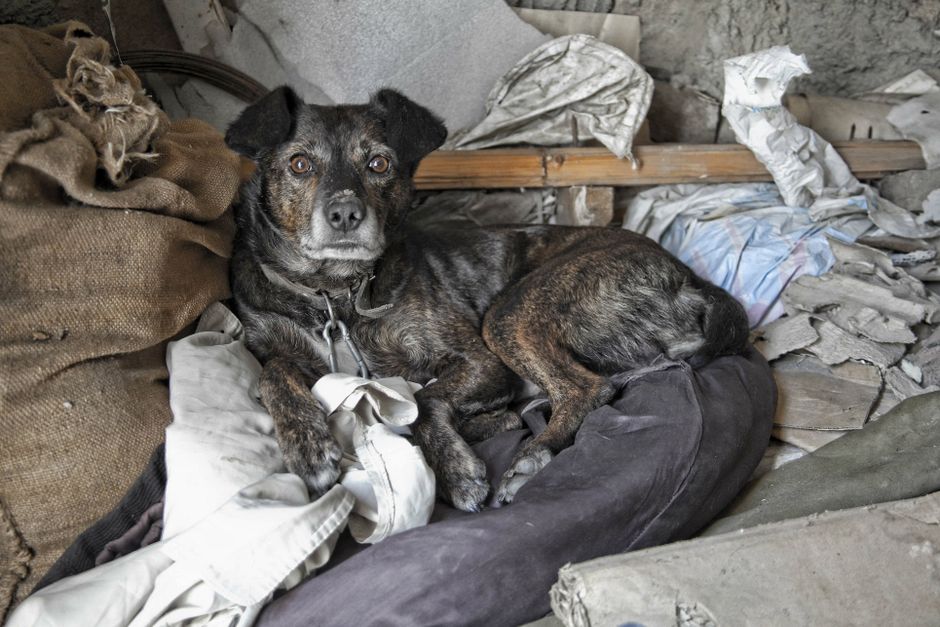
If you are staring at a flat that feels too full to move in, clean, or even think clearly inside, you are not alone. Hoarding or overloaded flats need a different kind of clearance help: slower, safer, more respectful, and properly planned. In the Isle of Dogs, where many homes are compact and access can be tricky, the right approach matters even more. This guide explains what the service involves, how it works, what to expect, and how to choose a practical route that protects both people and property.
Whether you are dealing with years of accumulated belongings, an urgent tenancy deadline, or a room-by-room overload that has quietly become unmanageable, the aim is the same: get control back without chaos. Let's make it manageable.
- Why this kind of clearance matters
- How the clearance process works
- Key benefits and practical advantages
- Who this is for and when it makes sense
- Step-by-step guidance
- Expert tips for better results
- Common mistakes to avoid
- Tools, resources and recommendations
- Law, compliance, standards and best practice
- Options, methods and comparison
- Case study or real-world example
- Practical checklist
- Conclusion
- Frequently asked questions
Why Hoarding or Overloaded Flats: Isle of Dogs Clearance Help Matters
An overloaded flat is not just a storage problem. It can affect safety, hygiene, access, and day-to-day peace of mind. In a dense area like the Isle of Dogs, where flats may have narrow hallways, lift restrictions, or awkward parking, clutter becomes even harder to shift. Stacked bags, furniture, paper, broken items, and boxed-up belongings can block exits and make ordinary tasks feel oddly exhausting.
Hoarding situations can be especially sensitive. People are often dealing with grief, stress, illness, loneliness, or a long period of "I'll sort it later." To be fair, later often becomes months. Or years. That is where respectful clearance help makes a real difference: it brings structure without judgement.
There is also a practical landlord and tenancy angle. If a flat needs to be returned in a tidy condition, or if a family is preparing a move, an overloaded environment slows everything down. It can delay cleaning, make sorting more difficult, and turn a small move into a very long day. If you are planning a wider move, a useful read is this guide to decluttering before a move, which complements the clearance process nicely.
Expert summary: Good clearance work is not about throwing everything away. It is about creating safe access, sorting items sensibly, and removing pressure from a space that has become too full to function well.
In short, this matters because the condition of the flat affects health, safety, speed, relationships, and costs. And once a home reaches a certain point of overload, simple DIY sorting usually is not enough.
How Hoarding or Overloaded Flats: Isle of Dogs Clearance Help Works
A proper clearance job usually starts with assessment rather than lifting. That might sound obvious, but it is the step many people skip when they are stressed. A good plan looks at access, item volume, breakables, waste streams, and whether anything needs to be kept, stored, donated, or removed urgently.
In practice, the process often follows a calm, room-by-room rhythm:
- Initial review: identify the scale of the job, risks, and likely access issues.
- Sorting: separate keep, donate, recycle, dispose, and urgent-items piles.
- Safe lifting and carrying: move heavier furniture, bags, and boxes carefully.
- Loading and removal: use the right van size and loading method for the property.
- Disposal or onward handling: recycle what can be recycled and handle waste responsibly.
- Final sweep: leave the flat safe, clear, and ready for the next stage.
For overloaded flats, the work may be similar but less emotionally loaded. The main challenge is volume. Think of wardrobe doors that barely open, a kitchen bench covered in old appliances, or a living room that has become a storage room by accident. If the space includes large items, our article on a thorough pre-move clean is a good companion piece because clearance and cleaning often go hand in hand.
For hoarding-sensitive clearances, communication matters. The most useful teams are patient, explain each step, and avoid rushing decisions. Small pauses help. Sometimes a person needs a minute to decide about a photo album or an old chair. That is normal.
In some cases, especially where access is difficult or timing is tight, a clearance team may work alongside other moving support such as local removal services or a man and van in Isle of Dogs. That can make the whole thing feel less like a rescue mission and more like a controlled reset.
Key Benefits and Practical Advantages
The biggest benefit is relief. Not a vague sort of relief either. A real, visible change in the space. Once bags are gone, routes open up and the flat stops feeling like it is pressing in on you from all sides.
Here are the practical advantages people usually notice first:
- Safer access: hallways, doors, and stair routes become usable again.
- Less physical strain: you are not trying to shift bulky items alone. That matters more than people admit.
- Faster decision-making: a structured process reduces overwhelm.
- Better hygiene: cleared surfaces make cleaning and pest prevention easier.
- More usable space: even one room reset can change how the whole flat feels.
- Improved move-out readiness: if you need to hand back a flat, you are not fighting clutter at the last minute.
There is also a dignity benefit. That sounds soft, but it is real. When a space has become overloaded, people often feel embarrassed and avoid asking for help. A calm, non-judgemental clearance can break that cycle. You will notice the mood shift quickly once the first load is out the door.
For bigger furniture or awkward items, it helps to know what can be moved efficiently and what needs special care. The page on furniture removals in Isle of Dogs is relevant when a clearance includes sofas, tables, wardrobes, or mixed household contents.
There is a financial upside too, even if it is not immediate. A well-planned clearance can reduce damage, lower the chance of missed tenancy deadlines, and avoid the messy overlap of doing sorting, lifting, and waste removal in a panic. Not glamorous. Still useful.
Who This Is For and When It Makes Sense
This kind of help is suitable for a wide range of situations, not just severe hoarding. In fact, many jobs are somewhere in the middle: not extreme, just overloaded enough that the flat has become difficult to use properly.
Common situations include:
- Tenants preparing to move out of a compact flat
- Homeowners dealing with inherited belongings
- Older residents needing a safer, clearer living environment
- People supporting a family member with a cluttered property
- Landlords or agents handling a property after long-term accumulation
- Students leaving a small flat that has filled up over time
Sometimes the trigger is practical. A tenancy notice. A sale. A repair job that cannot happen until floors and hallways are clear. Other times it is emotional, like a bereavement or a health change. And sometimes it is simply this: the flat has stopped being manageable.
If access is restricted, or the job needs to happen quickly, it may be worth looking at same day removals in Isle of Dogs or reading what to expect from urgent same-day removals. Those options are not right for every clearance, but they can help when timing is tight.
Truth be told, the best time to ask for help is before the situation becomes a fire drill. But if you are already there, that is fine too. It can still be sorted.
Step-by-Step Guidance
If you want the process to feel less overwhelming, break it into clear stages. Big jobs go better when they are treated like a sequence rather than one giant task.
1. Walk the flat slowly and take notes
Start by identifying the worst areas, blocked access routes, and anything fragile or hazardous. Do not begin by grabbing the nearest bag and hoping for the best. That approach tends to create more mess.
2. Decide what must stay visible and accessible
Check for documents, medication, keys, cash, sentimental items, and utility paperwork. Keep these in one safe place. If the flat is very full, this step alone can save a lot of grief later.
3. Separate items into clear groups
- Keep
- Donate or pass on
- Recycle
- Dispose of
- Unsure for now
The "unsure" pile is helpful, but keep it small. Otherwise it becomes the new clutter.
4. Clear one pathway first
Before anything else, create a safe walking route from the entrance to the main rooms. That makes carrying items less risky and gives the flat some breathing room. It also reduces the slightly panicky feeling of being trapped by belongings.
5. Remove bulky or heavy items early
Mattresses, wardrobes, old sofas, and broken appliances often take up more space than they deserve. If you are moving large furniture as part of the clear-out, a practical reference is creative ways to relocate your bed and mattress, which is useful when planning around awkward access.
6. Load in a sensible sequence
Heavier items go first, lighter boxes follow, and fragile items should be packed separately. In many Isle of Dogs flats, stairs, corners, and lift sizes can make this step the deciding factor between a smooth job and a very long day. For access-specific local detail, see Westferry Road access tips for E14 moves or staircase handling and costs in Island Gardens.
7. Finish with a reset
Once the clearance is complete, do a final sweep for missed items, dust, spills, or broken packaging. If cleaning is next on your list, you may find it useful to read about packing tips that bring order to moving chaos and smooth house moving strategies. They sit naturally alongside clearance work.
Expert Tips for Better Results
A few small choices can make the job easier and less emotionally draining. These are the things that genuinely help on the ground.
- Work room by room. Jumping between rooms creates confusion and slows progress.
- Start with visible wins. Clearing a doorway or floor area can lift the mood quickly.
- Use clear labels. Plain labels beat vague piles every time.
- Protect floors and corners. Old flats often have tight turns and delicate finishes.
- Keep tea, water, and breaks in the plan. Sounds small, but people make better decisions when they are not frazzled.
In our experience, the best results come from pacing rather than pressure. A full flat does not get better if everyone rushes. It gets better if the work keeps moving steadily, with a bit of patience and a proper system. Simple as that.
If a clearance includes storage decisions, you may want to read storage options in Isle of Dogs alongside the clearance plan. Temporary storage can be useful when people need time to decide what stays and what goes.
And one slightly underrated tip: take a photo of the room once each section is done. Not for vanity. Just for progress. It helps people see how much has already been achieved when they start feeling stuck.
Common Mistakes to Avoid
Most clearance jobs go wrong for the same handful of reasons. Luckily, they are avoidable.
- Starting without a plan: this usually turns into random lifting and burnout.
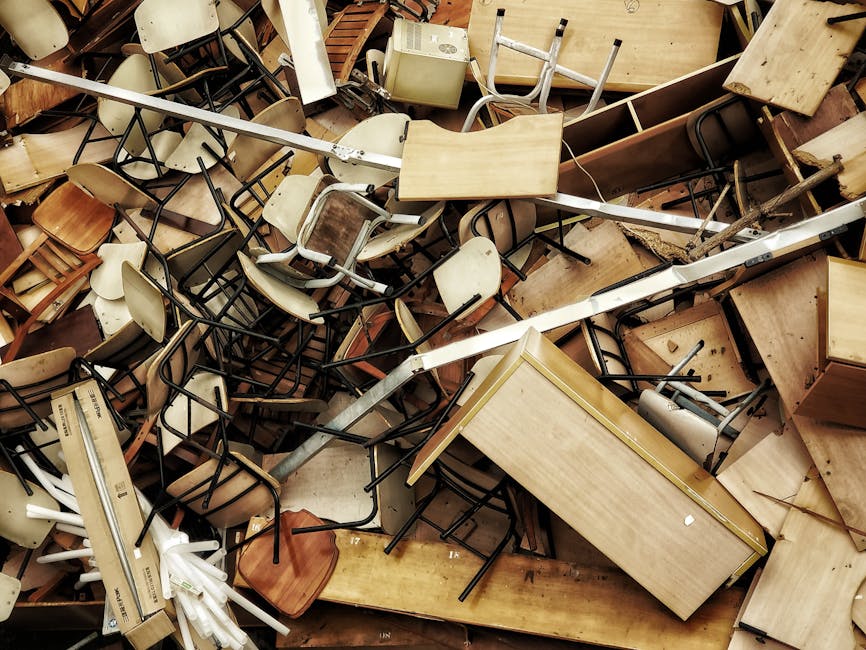
- Underestimating the volume: one room can hide three rooms' worth of stuff. Annoying, but common.
- Trying to do too much in one session: fatigue leads to poor decisions and more clutter on the floor.
- Skipping safety checks: unstable stacks, hidden glass, and blocked exits are not worth the risk.
- Keeping too many "maybe later" items: later is a slippery word.
- Ignoring access constraints: lifts, parking, stairs, and narrow halls matter a lot in local flats.
Another common mistake is assuming every item can simply be chucked into one general pile. Not ideal. Some items need careful handling, some need recycling, and some may need specialist transport or disposal. For example, large household pieces may need planned lifting, while unusual items may call for specialist support such as piano removals in Isle of Dogs or a read-through of why professional piano transport matters.
And yes, trying to do everything at once is a classic human move. Very relatable. Also expensive in energy.
Tools, Resources and Recommendations
You do not need a warehouse full of equipment to handle a clearance well, but a few basic tools make the day much easier.
- Strong sacks and sturdy boxes
- Labels or marker pens
- Gloves with a solid grip
- Tape for sealing boxes and securing loose lids
- Flat trolleys or sack trucks for heavier loads
- Dust sheets or floor protection
- Torches for dark cupboards, corners, and under-bed spaces
Planning resources matter too. A lot of people find it helpful to read around the wider move journey, especially if the clearance is connected to a house move or end-of-tenancy deadline. Useful nearby pages include packing and boxes in Isle of Dogs and bulky waste pickup in E14. They help set expectations around what can be packed, moved, or disposed of responsibly.
For people who want support with transport as well as clearance, services like man with a van in Isle of Dogs and a removal van in Isle of Dogs can be part of a practical workflow, especially when the property is tight on space.
When selecting help, ask simple, direct questions: how will items be sorted, what happens to reusable goods, and how will access issues be handled? Straight answers are a good sign.
Law, Compliance, Standards and Best Practice
Clearance work in the UK should be carried out with safety and responsible waste handling in mind. That does not mean every job needs legal jargon. It does mean the team should be careful about what they remove, how they carry it, and where it ends up.
Good practice usually includes:
- Separating reusable items from waste where practical
- Handling electrical items and bulky waste appropriately
- Avoiding unsafe manual lifting
- Respecting the privacy of the person whose home is being cleared
- Using clear communication before removing sentimental or important belongings
If a property contains food waste, decaying items, sharp objects, or potentially hazardous materials, extra care is needed. The team should not guess. They should assess and manage the risk properly. The same goes for access: if there is a narrow staircase, weak flooring, or unstable stacks, the safest choice may be to reduce the load and plan the removal in stages.
Many people also appreciate seeing a company's approach to insurance and safety, health and safety policy, and recycling and sustainability. Those pages help set expectations around responsible working, even if the job itself is straightforward.
Best practice also means being honest about what can and cannot be done in one visit. Sometimes a flat is too full for a single clearance session. That is fine. Splitting the job is often safer and kinder.
Options, Methods, or Comparison Table
If you are deciding how to tackle an overloaded flat, it helps to compare the main approaches side by side. Each has a place.
| Approach | Best for | Pros | Limitations |
|---|---|---|---|
| DIY sorting only | Small, manageable clutter | Low direct cost, full control | Slow, tiring, risky with large volumes |
| Family or friends helping | Moderate clear-outs with emotional support | Personal trust, shared decisions | Can become chaotic without structure |
| Professional clearance support | Hoarding, heavy items, urgent deadlines | Safer, faster, more organised | Needs planning and clear communication |
| Clearance plus storage | When decisions are not final | Reduces pressure, keeps options open | Extra step, may involve additional cost |
For many Isle of Dogs residents, the most sensible route is a blend: sort what can be sorted, move what must be moved, and store what needs a little time. That is often the least stressful option, especially in flats with limited room to work.
If the flat move is part of a bigger transition, a useful companion page is house removals in Isle of Dogs. It helps tie the clearance into the larger move rather than treating it as a separate headache.

Case Study or Real-World Example
Here is a realistic example from the kind of job people often face. A one-bedroom flat near the river had slowly filled with books, old boxes, surplus kitchenware, broken storage tubs, and a few bulky pieces of furniture that nobody wanted to deal with. Nothing dramatic at first glance. Just too much, everywhere.
The resident had been meaning to sort it for months, but every attempt started well and fizzled out by lunchtime. The flat also had a narrow hallway and a lift that was useful until it was full, which, if you know, you know.
The job worked best once it was broken into stages:
- First, create a clear path from the front door.
- Second, isolate keepers from obvious disposal items.
- Third, remove the large furniture that was taking up the most room.
- Fourth, pack the important items and paperwork separately.
- Finally, clear the remaining mixed waste and do a room check.
What changed most was not just the empty floor space. It was the feeling of the place. The flat stopped shouting at the resident, if that makes sense. It became possible to clean, think, and plan the next move. That is the real win.
In a similar situation involving short notice and limited access, pages like small flat moves without delays and the Isle of Dogs E14 moving guide can help with timing and route planning.
Practical Checklist
Use this before you start a clearance. It keeps the job grounded and stops the day drifting off course.
- Identify the main goal: clearance, move-out, cleaning, or storage
- Confirm which items must be kept safe and separate
- Check access: stairs, lift, parking, and entry width
- Gather bags, boxes, gloves, labels, and tape
- Choose where reusable items, recycling, and waste will go
- Set a realistic time window with breaks
- Arrange help for heavy or awkward items if needed
- Protect floors, corners, and tight access points
- Keep important documents and valuables in one secure place
- Plan the final clean-up or handover stage
Quick sanity check: if the plan depends on one person doing everything in one go, it probably needs adjusting.
Get a free quote today and see how much you can save.
Conclusion
Hoarding or overloaded flats need more than muscle. They need patience, structure, and a practical route through a space that has become too full to manage alone. In the Isle of Dogs, that often means thinking carefully about access, timing, lifting, waste handling, storage, and the emotional reality of the job.
The good news? Once the first clear path opens and the first load leaves the flat, momentum builds quickly. The work becomes less overwhelming, decisions get easier, and the space starts to feel usable again. Not perfect, maybe. But better. Much better.
If you are facing a flat that feels impossible right now, do not wait for it to magically improve by itself. A calm, practical plan can turn a heavy situation into something you can handle one step at a time. And that is often enough to begin.